
ROOTS / Family History
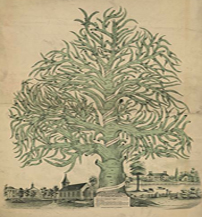 |
GETTING STARTED How to Trace Your Family HistoryYou are the beginning "twig" on your family tree. Start with the known - yourself - and work toward the unknown. Find the vital information about your parents and write it down. Next, look for information about your grandparents, then earlier generations. You may often find the most valuable resources in tracing your family history right at home. Here are some activities your family can do together.
|
|
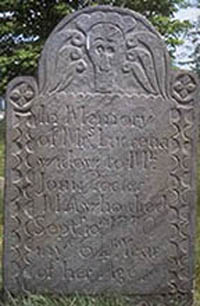
GRAVESTONE STUDIES Using New Technologies to Find Old CemeteriesFinding our roots is a virtual journey that often leads to exploring family burial plots. Finding old cemeteries can be difficult – unless you pack some new technology. Here are some GPS “how to” tips from Fred Rodehaver, a Westerville, Ohio genealogist. ...Continue New London Ancient Burying Ground Thanks to the art of early carvers, looking through old cemeteries rewards the discerning eye. According to gravestone expert James Slater, "of all Connecticut's burying grounds, this may contain the greatest variety of different carving schools. The reasons are obvious. New London was an ancient port and reasonably wealthy. Stones were certainly shipped by sea from Newport and the Boston area and down the…" ...Continue |
|
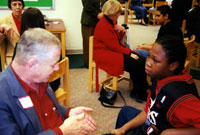
ORAL HISTORY How to do Oral HistoryHave you ever sat down with your grandmother or your uncle or some really interesting friend or neighbor in your town and asked about their childhood? If so, you've already made a start at doing an "oral history." But there's a lot more to learn if you want to make the experience meaningful and preserve it for future generations. ...Continue |
|
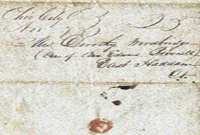
LITERARY EVIDENCE Learning From Letters by Susan ChenelleMuch can be learned about our own (and other people's) family history from collecting stamps and reading the letters they may still be attached to! Robert Welt, a social studies teacher at Fitch Middle School in Groton, Connecticut, has introduced his students to the historical mysteries of stamp and letter collecting through his Stamp Club. ...Continue Woodbridge Family Letters – transcribing early letters involves students in family dramas of the 1790s. ...Continue Hands on History – Excerpted from Global Stamp News. ...Continue |